Location Mon – Thu: 8:00 am to 6:00 pm. Fri: 8:00 am – 3:00 pm.

THE BEST THERMAL INSULATORS, FIND OUT MORE ABOUT THEM

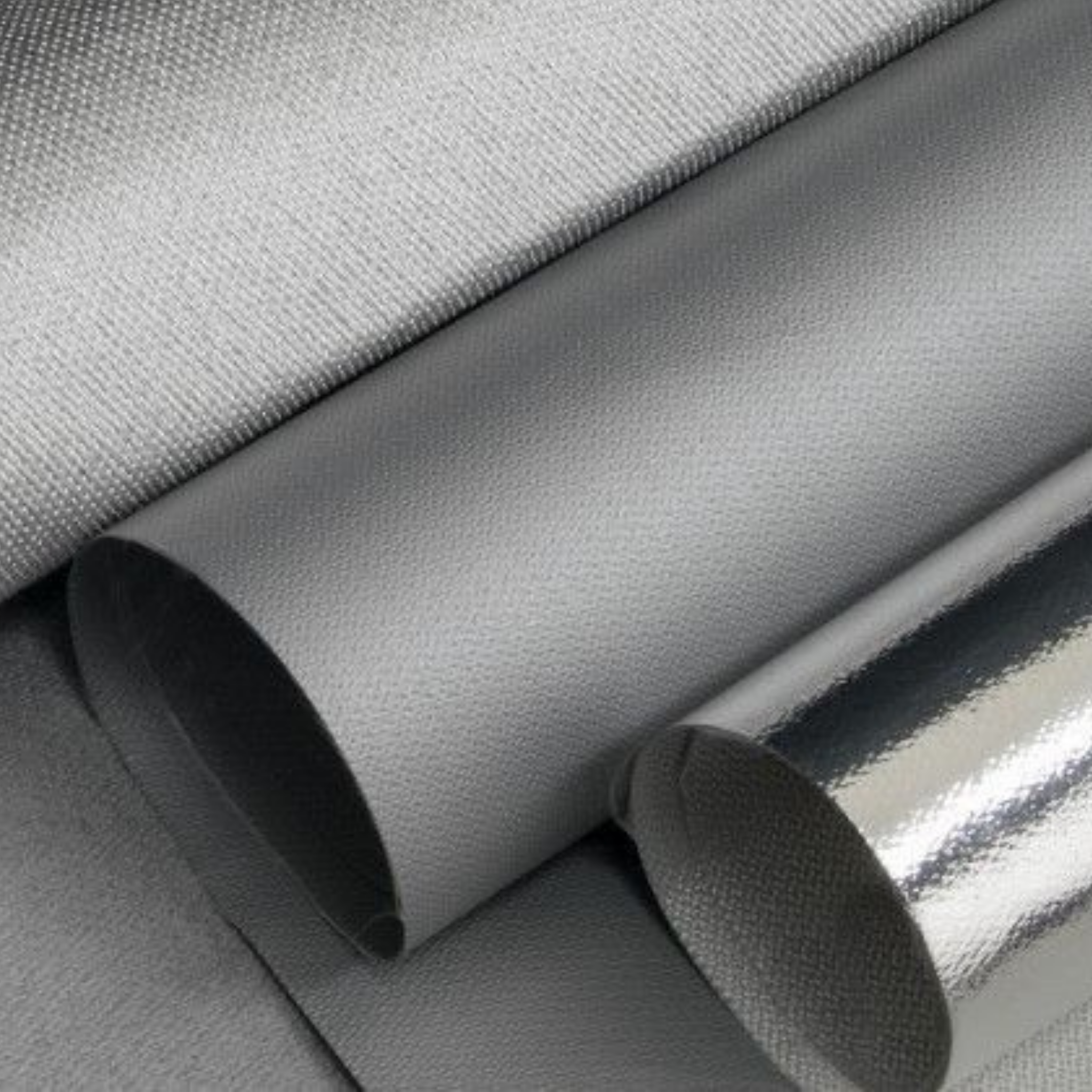
The team in our VISA ISOLATION division specialises in materials that act as thermal insulators, meaning they prevent heat from passing through by conduction. These materials come in fabric form and can be of three types: fibreglass, silica, or ALF fabrics.

Each of these insulating materials withstands a different temperature, which is why each project requires the appropriate thermal insulation to suit its characteristics (chemical, mechanical, structural, thermal, etc.). The VISA ISOLATION team, with more than 35 years of experience in the sector, assesses each case to determine the type of insulation required.

These insulating materials are used in: thermal power plants, nuclear power plants, solar farms, the marine and chemical industries, furnaces, turbines, expansion joints, fire prevention, and the automotive industry.

The properties of each insulating material are as follows:

FIBERGLASS FABRICS

Fibreglass fabrics are made from glass yarns that undergo an enzymatic treatment to prevent them from breaking during fabric manufacture. They can be left “raw”, or coated with silicone, PU, aluminium, or other compounds to enhance their properties and heat resistance.

Fibreglass fabrics can withstand temperatures from -36°C up to, when coated with HT protection, 700°C.

SILICA FABRICS

Silica fabric is made from SiO2 (silicon oxide) filaments at 94% to 96%. It is highly resistant to thermal shock and capable of withstanding high temperatures (it melts from 1,600°C).

A vermiculite coating is applied to provide additional resistance to abrasion.

ALF FABRICS

ALF fabrics are composed of 70% alumina and 30% silica, which is why they are also known as alumina-silica fibre fabrics.

They withstand up to 1,395°C and are, by far, the most heat-resistant fabrics, while also being highly flexible and consistent. For this reason, they are used in places where they must withstand very high temperatures: glass furnaces, foundries, nuclear power plants, etc.

THERMAL INSULATION MATERIALS

Thermal insulators are materials used for construction and industry due to their high thermal resistance capacity. VISA ISOLATION is the division specialized in the distribution of thermal insulating and fiberglass materials, within VENTAS INTERNACIONALES S.A.

Fiberglass: the thermal insulator

In the field of thermal insulation, fiberglass has become the most widely used material in both large and small construction projects. Fiberglass is formed by melting a mixture of natural sand, additives, and recycled glass in a furnace at high temperatures. Subsequently, during the cooling process, fibers are generated that bond together, creating free space with trapped air that increases resistance to heat transmission.

VISA ISOLATION’s insulating fabrics are made from different materials depending on the application: fiberglass, silica, ALF fabric, etc. The threads are woven in weft and warp to form a fabric, measuring between 6 and 9 μ in diameter, and are normally sized to prevent breakage during manufacturing.

Fiberglass: What advantages does it have as an insulator?

From INTERNATIONAL SALES we have been working for years with all types of insulating materials and we are well aware of all the characteristics and advantages offered by each one. In the case of fiberglass, the most remarkable advantages are:

  • It is one of the best thermal insulators.
  • It is non-combustible: it offers high protection against fire.
  • It is water-repellent.
  • It is permeable. It allows the passage of water vapor.
  • It does not require exhaustive maintenance.
  • It is durable.

Sale of thermal insulators

VISA ISOLATION offers a wide range of thermal insulation products: each construction project is unique and singular, so it is necessary to find the optimal solution that best suits it.

  • Fiberglass fabrics: our fiberglass is available in 50 m rolls and various widths, according to customer requirements.
  • Reinforcement meshes: used in those cases where the product needs to be reinforced and supported in order to have greater resistance to breakage.
  • Intumescent fabric: used for fire protection, from 180º C of heat load on one side begins the process of extension; this extension leads to an increase in thickness from 0,2 cm. Up to 1.5 – 3 cm. Depending on temperature and duration.
  • High tenacity meshes: used in the automotive industry for airbag reinforcement.
  • Alf fabrics: these special fabrics are made of 70% alumina and 30% silica.
  • Fiberglass tapes: used for the coating of pipes or thermal panels of large constructions.

The applications of insulating materials are multiple and each material has its own insulating properties. If you want our technicians to advise you with your project, click here.

Benefits of Reflective vs. Conduction Insulation: Optimizing Thermal Efficiency

In the industrial and construction sectors, the use of thermal insulation materials is key to ensuring energy efficiency, safety, and sustainability. Among the available technologies, reflective insulation stands out as an innovative option compared to conduction insulation. At VISA AISLAMIENTO, we specialize in materials that incorporate both technologies, adapting to the specific needs of each project. But what differentiates reflective insulation and why can it be an advantageous solution?

What is Reflective Insulation?

Reflective insulation is a technology that uses materials with reflective properties to minimize heat transfer by radiation. This type of insulation works by creating a barrier that reflects up to 95% of radiant heat, preventing it from entering or leaving a protected space. The materials used, such as Alf alumina-silica fabrics (capable of withstanding temperatures up to 1,395ºC), are designed to offer exceptional performance even in extreme conditions.

Conduction Insulation vs. Reflective Insulation

Conduction Insulation: This system relies on materials that reduce heat transfer through direct contact. Common examples include fiberglass or silica fabrics, widely used in industries such as chemical or naval. Its main advantage is the ability to withstand high temperatures and provide thermal stability in specific applications, such as pipe and panel cladding.

Reflective Insulation: Designed to combat radiant heat, this insulation is especially useful in environments where thermal radiation is the primary challenge. By reducing heat gain in summer and heat loss in winter, reflective insulation improves energy efficiency and lowers operating costs.

Benefits of Reflective Insulation

  1. Energy Efficiency: By reflecting radiant heat, reflective materials help maintain stable temperatures, reducing the need for additional heating or cooling.
  2. Lightweight and Flexible: The fabrics used, such as Alf fabrics, are lightweight and easy to handle, facilitating their installation in complex projects.
  3. Durability: Resistant to extreme conditions, reflective materials are ideal for demanding industrial applications, such as nuclear power plants, solar farms, and turbines.
  4. Compatibility with Other Materials: Reflective insulation can be combined with conduction systems to create hybrid solutions that maximize thermal performance.
  5. Cost Reduction: Lower heat losses mean less energy expenditure and a quick return on investment.

Main Applications of Reflective Insulation

At VISA AISLAMIENTO, we work on projects that require high-performance solutions, such as:

  • Fire Prevention: Our specialized fabrics reflect heat, providing an additional layer of protection in critical areas.
  • Chemical and Naval Industry: Reflective insulators offer safety and efficiency in processes involving high temperatures.
  • Furnaces and Turbines: Reflective materials help maintain effective thermal control, improving performance and safety.

Why Choose VISA AISLAMIENTO?

With over 40 years of experience, VISA AISLAMIENTO is a leader in the selection and implementation of thermal solutions tailored to each client’s needs. Our catalog includes:

  • Fiberglass Fabrics: From 50 g/m2 to 2,000 g/m2.
  • Silica Fabrics: Ideal for extreme temperatures, from 180 g/m2 to 1,220 g/m2.
  • Alf Fabrics: A high-tech option for applications requiring maximum resistance.

Our team of experts studies each case to guarantee project success, whether in the chemical, naval, energy industry, or solar farms. The combination of reflective and conduction insulation materials ensures comprehensive and efficient solutions.

Reflective insulation is an essential technology for improving energy efficiency and reducing operating costs across a wide variety of sectors. At VISA AISLAMIENTO, we are committed to offering quality materials and personalized advice to ensure the success of your projects. If you want to learn more about our solutions, do not hesitate to contact us. We are here to help you choose the ideal thermal insulation for your business! enhance the benefits of exudation irrigation. Discover more and take the step towards a sustainable future!